Twitch emotes meaning comes down to reaction: each 56-by-56-pixel chat image stands in for a feeling such as hype, sarcasm, sadness or disbelief, so viewers can respond to a stream in a single token.
This guide is part of the stream slang collection and covers the emotes a newcomer is most likely to see scrolling past in a busy chat.
How emotes work as a chat language
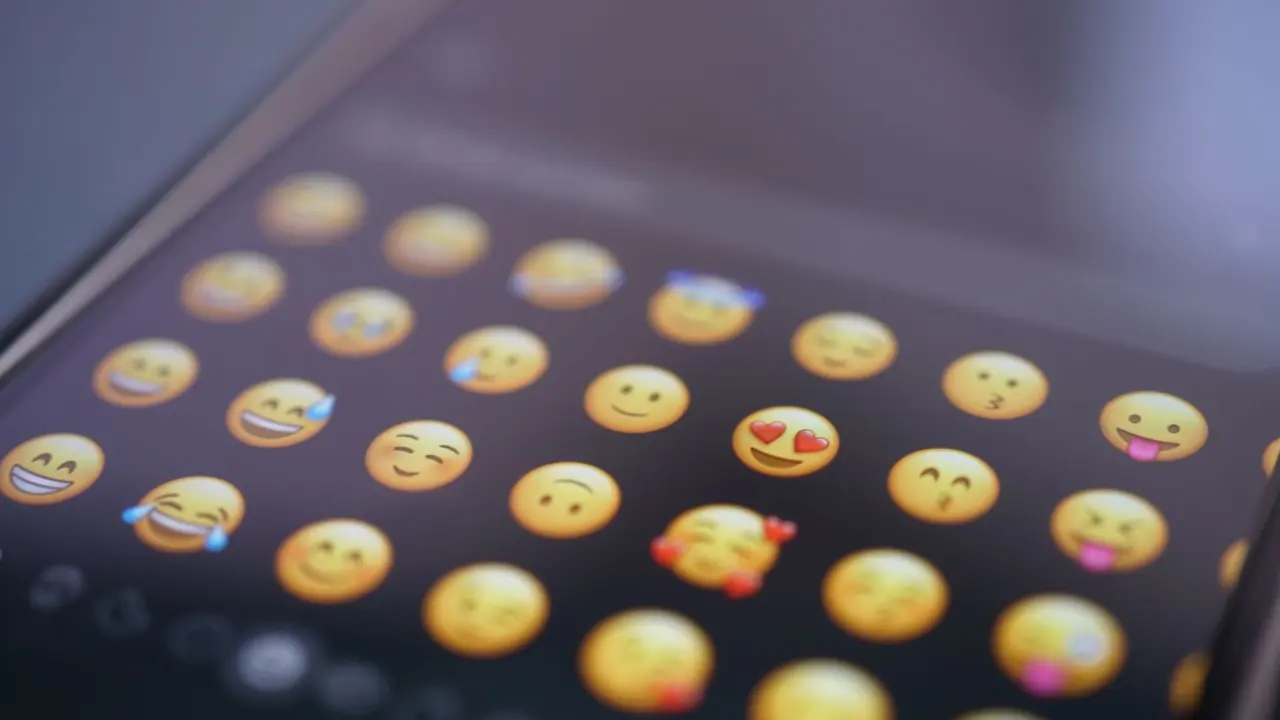
Twitch displays emotes at a very small size of 56 by 56 pixels, according to Wikipedia’s PogChamp entry, which is why a good emote needs an exaggerated face or pose that reads at a glance. Chat moves quickly during a big match, so a single image replaces a full sentence.
The platform sorts emotes by access. Wikipedia’s Twitch article lists emotes free for all users, emotes for Turbo users, emotes for Twitch Prime users, and emotes for users subscribed to partnered or affiliated channels. Channel emotes only work in the channel that owns them, while global emotes work everywhere.
Usage numbers show how heavily chat leans on them. As of May 2024, the most used emote on the platform was “x0pashL” with 8.85 billion uses, and the most used global emote was “TriHard” with 4.39 billion uses, per the same article.
Meaning also shifts with context. The same face can be sincere in one chat and ironic in another, and communities often spam an emote in a wall of repeated images to amplify the mood.
The core hype and reaction emotes
Four emotes cover most of the reactions a viewer needs on day one, and each has a typical use rather than a fixed dictionary definition.
- PogChamp (and Pog, Poggers): excitement, shock or joy at a big play. The long-running history is covered in the next section.
- Kappa: sarcasm or trolling, the typed equivalent of a smirk. Posting it after a statement signals that the statement is not meant seriously. The separate page on kappa emote meaning covers its origin in detail.
- LUL and OMEGALUL: laughter, with the oversized variant reserved for something truly absurd or a spectacular failure.
- KEKW: hearty laughter, often used when a streamer’s mistake is funny rather than painful.
Wikipedia’s Twitch article cites a report titled “Kappa dethroned on Twitch after six years on top”, a sign of how long a single sarcasm emote dominated usage rankings before newer favourites overtook it.
Sad, skeptical and ironic emotes
Chat also keeps a set of emotes for disappointment and doubt, and these tend to be where a newcomer gets lost, because the tone is often self-mocking.
- BibleThump: a crying face used for sad moments, such as a character dying in a story game.
- Sadge: a gentler, resigned sadness, used for small disappointments like a lost round.
- monkaS: nervous tension, posted when a streamer is one hit from losing or about to open a jump-scare door.
- Pepega: a mock insult for a silly or clumsy decision, frequently aimed at the poster as well as the streamer.
- Copium: a joke about cope, used when viewers cling to hope against the odds.
- Clueless: a blank, oblivious look posted when someone, often the streamer, misses something obvious.
Reading these correctly depends on timing. An emote posted the instant a boss appears means dread, while the same emote posted after a streamer loses means a joke about the loss. Newcomers who copy a phrase without watching the preceding moments of the stream tend to misfire, because the joke usually depends on what just happened on screen, and chat usually answers with a mocking emote of its own. Watching which emotes cluster around a kill, a donation alert or a failed jump is the fastest way to calibrate tone.
Spelling is part of the code too. Emote names are case-sensitive, so a mistyped name shows only as plain text, and that plain text is itself a small marker of an outsider. Autocomplete in the chat box fixes this for the emotes a viewer can use.
The common thread is irony. Viewers post these emotes about themselves as often as about the streamer, which keeps the tone friendly even when the wording would read as harsh elsewhere.
PogChamp: the emote that changed
PogChamp is the best documented case of an emote’s meaning outliving its image. Wikipedia describes it as an emote intended to express excitement, intrigue, joy or shock. It originally showed streamer Ryan “Gootecks” Gutierrez, whose surprised expression came from a video on his Cross Counter TV channel uploaded on November 26, 2010.
The face became a fixture of Twitch. PC Gamer called it “one of the most ubiquitous emotes in Twitch history”, and Kotaku said it indicated “surprise and hype”. The variants “Pog” and “Poggers” spread beyond Twitch into general gamer speech, a path CNN also noted.
Gutierrez was initially reluctant to let Twitch use his likeness, but struck a deal reported at between US$50,000 and US$100,000, plus undisclosed concessions.
In January 2021, Twitch deleted the emote after statements by Gutierrez that the company said encouraged further violence following events at the US Capitol. Replacements followed: Twitch ran rotating faces of streamers, then reused the existing KomodoHype image of a komodo dragon. In a community vote, KomodoHype won with 81% of the votes and permanently replaced the face.

The result is a split vocabulary. The word “Pog” still means excitement in everyday speech, even though the image behind it is now a dragon.
How emotes spread beyond Twitch
Third-party browser extensions widened the emote set. Wikipedia names FrankerFaceZ and BTTV (Better Twitch TV) as popular extensions that add custom emotes, and both announced bans on user-uploaded versions of Gutierrez after the PogChamp removal. Emotes such as KEKW, Pepega and Sadge are widely associated with this extended layer, which is why they may not appear in the official emote picker.
From there the words travel. A phrase that starts as an emote name becomes a comment on other platforms, which is the same route a viral trend follows from a niche community into the mainstream. Learning the vocabulary is easiest by lurking in one channel for a few streams and watching which emotes follow which events.
Frequently asked questions
What does PogChamp mean?
PogChamp expresses excitement, intrigue, joy or shock, according to Wikipedia. The original image was Ryan “Gootecks” Gutierrez, uploaded on November 26, 2010, and it was replaced by a komodo dragon after a vote that KomodoHype won with 81% of the votes.
Is Kappa always sarcasm?
Mostly, yes. Kappa marks a statement as ironic or trolling, much like a winking smiley. Wikipedia’s Twitch article cites a report on Kappa being dethroned after six years on top of usage rankings, which shows how central the emote was to chat tone.
Which Twitch emote is used the most?
As of May 2024, Wikipedia reports the most used emote was “x0pashL” with 8.85 billion uses, and the most used global emote was “TriHard” with 4.39 billion uses.
Why are emotes so small?
Twitch displays emotes at 56 by 56 pixels, per Wikipedia, so they sit inline with text in a fast chat. That size is why emote designs use bold faces and simple shapes.