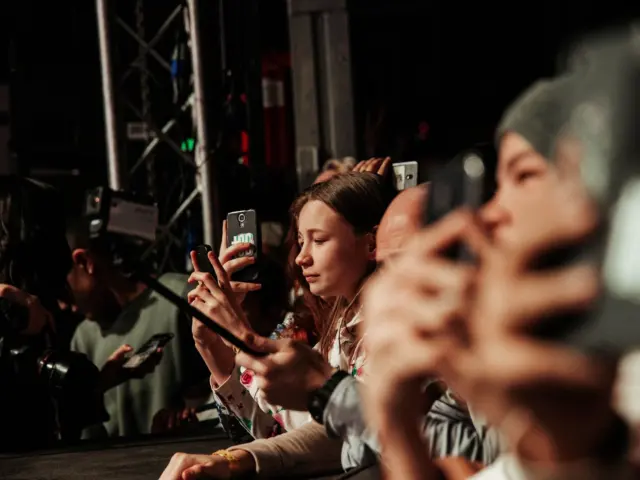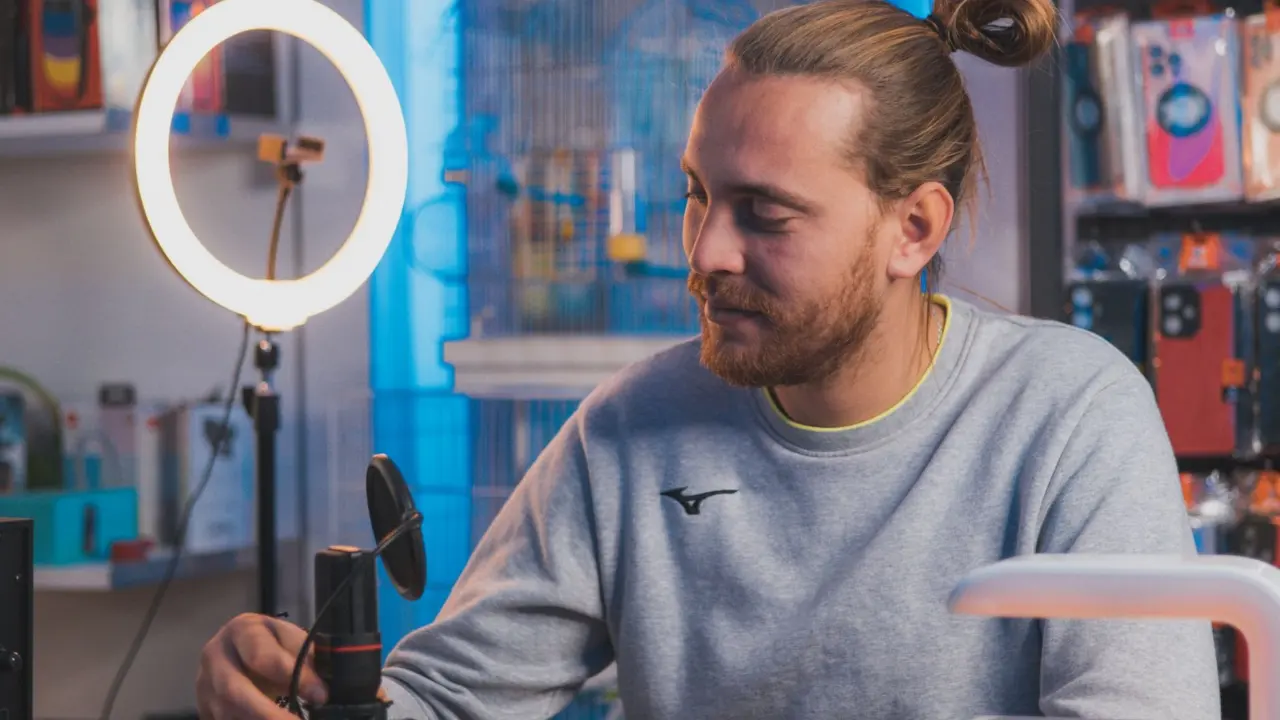
Creator culture is the set of shared habits, in-jokes and etiquette that form around online video makers and their audiences, from the 1956 theory of parasocial bonds to 2020s collab houses.
It sits at the centre of stream slang, because most of the vocabulary of chats and comment sections is created by the communities described below.
Where fandom and creator culture meet
The word “parasocial” dates to 1956, when Donald Horton and Richard Wohl described how audiences treat media figures as if they were friends. The idea predates the internet, yet it describes a livestream chat almost perfectly: a creator talks straight to the camera, and every viewer in the chat feels addressed personally. Horton and Wohl were writing about television hosts, yet the same mechanics apply to podcasts, livestreams and short clips, where a creator looks into the lens, uses the viewer’s likely reactions as part of the script, and answers comments in later videos.
That feeling is the engine of modern fandom. A 2017 Google study, as summarised on Wikipedia, reported that 40% of millennial YouTube subscribers said their favorite creator understood them better than their friends did. Fans respond by building identity around a creator: a nickname for the audience, a catchphrase, a running joke that newcomers must learn before they can join in.
Scholars have argued about whether this is unhealthy. Horton and Wohl suggested that for most people these bonds complement real social life, while a minority substitute them for it. Later researchers Perse and Rubin, writing in 1989, contested parts of that view, and the debate has never been settled.
How collabs and content houses work
The collab is the basic currency of creator culture: two or more creators appear in each other’s videos so that each audience meets the other. The audience overlap is the point, which is why a collab announcement often draws as much chatter as the video itself.
The most visible extreme is the content house, where creators live together so that collaboration never stops. Hype House formed in December 2019, and TikTok videos tagged #hypehouse had gathered 100 million views by January 2020. The house sat in a hillside mansion in Los Angeles and was home to four members of the group, according to the sources behind the Wikipedia entry on content houses.
Houses show both sides of the model. Shared housing produces constant footage and cross-promotion, but it also turns private disputes into public storylines. Fans follow the arguments as closely as the dances, a pattern covered in the tiktok trend guide, where short clips drive the same cycle of hype and fatigue.
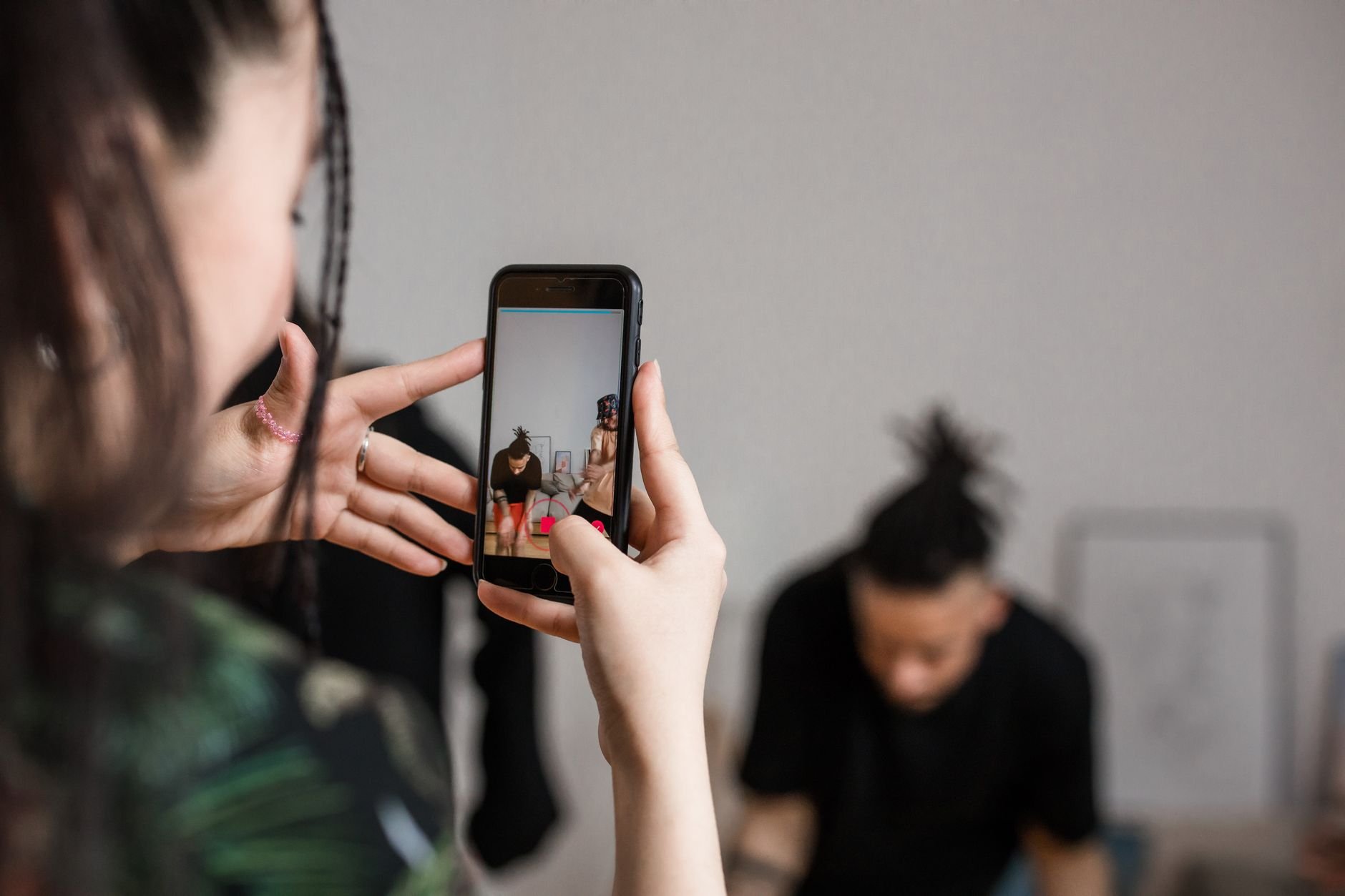
Collab etiquette has its own grammar. A guest appearance is usually returned in kind, so a creator who joins another channel’s video is expected to host the other creator later. Audiences keep a mental ledger of these exchanges, and they notice when a collab looks one-sided or purely promotional. When two fandoms with different humour meet, the comment section becomes a negotiation, with each side explaining its in-jokes to the other.
Fan communities also split into layers. A core group follows every upload and moderates the chat, a wider group watches only major releases, and a casual group arrives through a collab or a clip. Creators who understand those layers write different content for each: long, reference-heavy videos for the core, and self-contained highlights for visitors.
Unwritten community norms
Every creator community runs on norms that no platform writes down, and the 2020s have settled on a recognisable set. Fans are expected not to harass a creator’s family or partner, not to spoil unreleased content in the comments, and not to pile onto a person named in a dispute.
Creators have norms of their own. Crediting the original maker of a clip, tagging collaborators and acknowledging mistakes publicly are the expected moves when a video goes wrong. An apology video is now a recognised genre in its own right, and audiences judge it on whether it names the specific harm.
Chat spaces add a layer of insider language. Emotes, copy-pasted phrases and moderator shorthand mark who belongs, and the way those habits differ between platforms is explored in the streamer culture overview.
Platform rules shape the culture
Formal rules sit beneath the informal ones. YouTube uses a three-strike model that begins with warnings and can escalate to demonetization or removal from the YouTube Partner Program, which limits a creator’s ability to earn revenue. TikTok uses a tiered approach of warnings, temporary feature restrictions and permanent bans for repeated or severe violations.
These systems explain a lot of behaviour that looks odd from outside. Creators use coded spellings and euphemisms so that automated moderation does not flag a video, and audiences copy them. Slang that began as a workaround, such as a swapped letter or an invented substitute word, often outlives the rule that prompted it.
Scale raises the stakes. MrBeast, the most-subscribed YouTuber, has over 500 million subscribers, so a single creator’s habits can set the default etiquette for an entire platform.
Enforcement also feeds back into fandom. When a creator is demonetized, supporters often organise around the creator, sharing clips on other platforms and rallying under a hashtag. Disputes over what counts as a violation become community debates in their own right, and a ruling that looks arbitrary can unite an audience faster than any upload. Creators therefore learn to read platform policy the way fans read patch notes, looking for what changed and who it affects.
Reading a creator community as a newcomer
A newcomer can learn the norms of a community by lurking for a few streams or uploads if the right things are noticed. Watch which phrases the audience repeats, which topics moderators remove, and how the creator responds when a fan breaks a norm.
Pinned comments, channel rules and the description box usually state the formal expectations. The informal ones show up in what gets laughed at and what gets ignored. Joining in slowly, and asking before using a running joke, is the safest approach in any fandom.
Tone matters as much as vocabulary. Communities built around comedy tolerate teasing that a community built around a support-focused creator would treat as hostile. Reading the room means checking whether regulars joke at the creator’s expense, whether moderators step in quickly, and whether newcomers are greeted or ignored. Those signals show how welcoming a space is long before a rulebook does.
Finally, remember that parasocial warmth runs one way. A creator may feel familiar after years of watching, but the creator does not know each viewer. Keeping that asymmetry in mind helps fans respect boundaries, avoid oversharing in comments, and treat the community as a shared hobby rather than a personal relationship.
The same habits help when judging a trend. A joke that only one creator’s fans understand is a niche reference, while a phrase that spreads across unrelated channels has become shared internet vocabulary.
Frequently asked questions
What does creator culture mean?
It means the shared customs of creators and their audiences, including parasocial attachment, a concept Donald Horton and Richard Wohl named in 1956, plus collabs, catchphrases and community rules.
What is a content house?
A content house is a shared home where creators live and film together. Hype House, formed in December 2019, is the best-known example from the TikTok era.
Why do fans feel close to creators they have never met?
Creators address viewers directly, which produces parasocial bonds. A 2017 Google study reported 40% of millennial YouTube subscribers felt their favorite creator understood them better than their friends.
How do platforms enforce creator rules?
YouTube applies a three-strike model that can end in removal from the YouTube Partner Program, while TikTok escalates from warnings to feature restrictions and permanent bans.